The Chase Trade: A Costly Habit
Every futures trader has done it. You see a massive red candle on the NQDefinitionE-mini Nasdaq 100 futures contract. Known for fast, volatile moves. 1 tick = $5, 1 point = $20. or ESDefinitionE-mini S&P 500 futures contract. Tracks the S&P 500 index. 1 tick = $12.50, 1 point = $50. Most heavily traded index future., panic sets in, and you slam the sell button hoping to ride the move. Five minutes later, price reverses, stops you out, and continues in your original direction without you.
Key Insight
This is the chase trade, and it is the single most expensive habit in futures trading.
Why Retail Traders Chase
There are three psychological forces that drive chasing behavior:
Fear of Missing Out (FOMO) When you see a big move happening, your brain screams that you need to be in this trade. The bigger the candle, the stronger the urge. But by the time you see it, the move is already over.
Recency Bias You remember the one time you chased a move and it worked. You forget the nine times it stopped you out. Your brain overweights recent successes and ignores the pattern of losses.
Lack of a Plan Without a clear trading plan, every move looks like an opportunity. Professional traders have predefined setups they wait for. Retail traders react to whatever is happening on the screen.
The Math Behind Why Chasing Fails
When you chase an impulse move, three things work against you:
Your stop lossDefinitionAn automatic exit order. If price moves against you to a preset level, the trade closes automatically. Every trade needs one. is wide because you are entering after the move has extended. Your target is compressed because much of the move has already happened. Your risk-to-reward ratio is inverted, often risking 3 to make 1.
Key Insight
Even if you have a 50% win rate on chase trades, you will lose money over time because your losses are larger than your wins. This is basic expectancy math.
What Professional Traders Do Instead
Professional futures traders understand that the best entries come after the impulse move, not during it. Their process looks like this:
Wait for a break of structure to establish directional bias. Let the impulse leg complete without entering. Identify key levels where a retracement is likely to find support or resistance. Enter on the retest with a tight stop and favorable risk-to-reward.
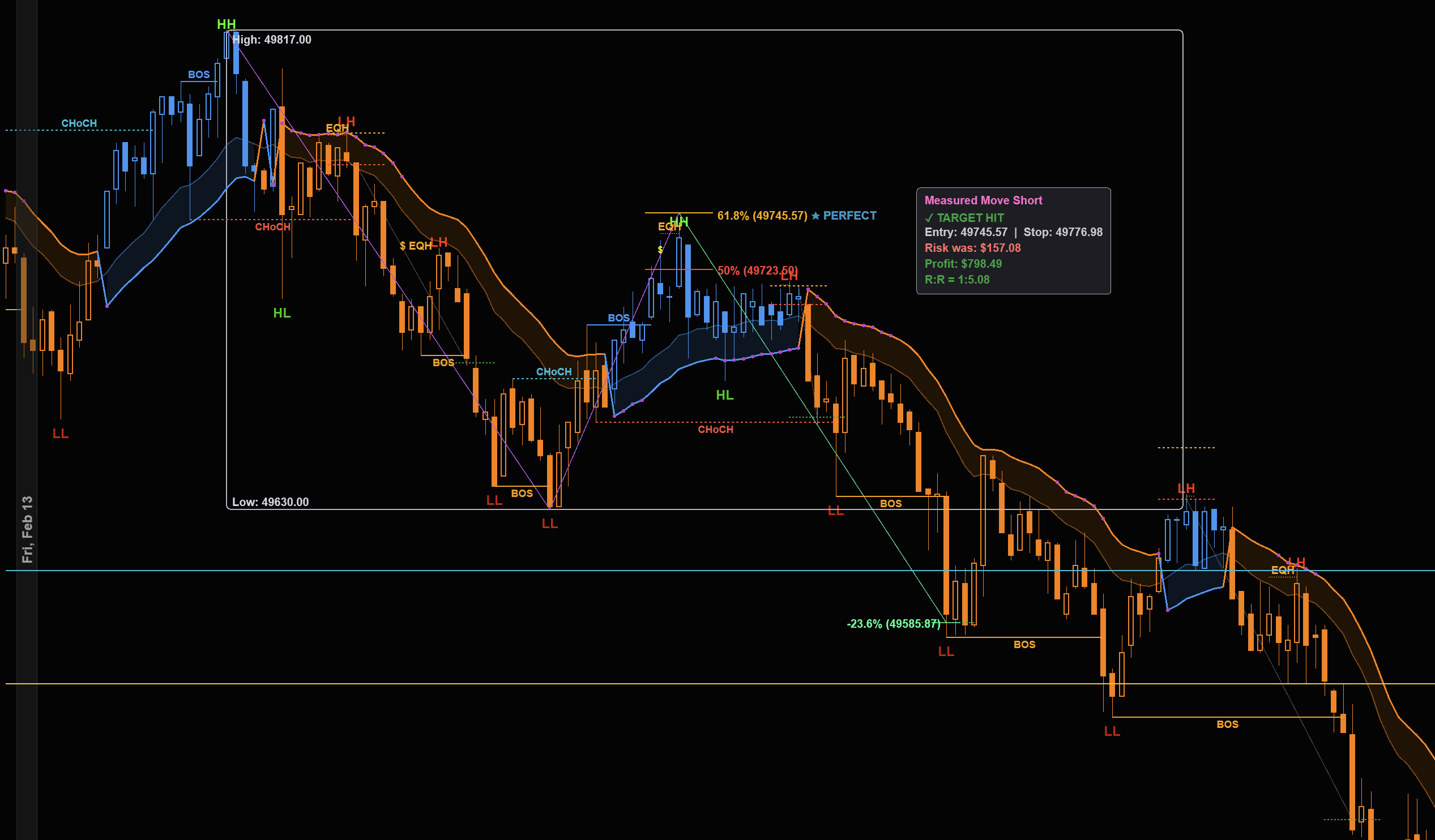
This approach flips the math in your favor. Instead of risking 3 to make 1, you are risking 1 to make 3 or better.
The Retest Setup in Practice
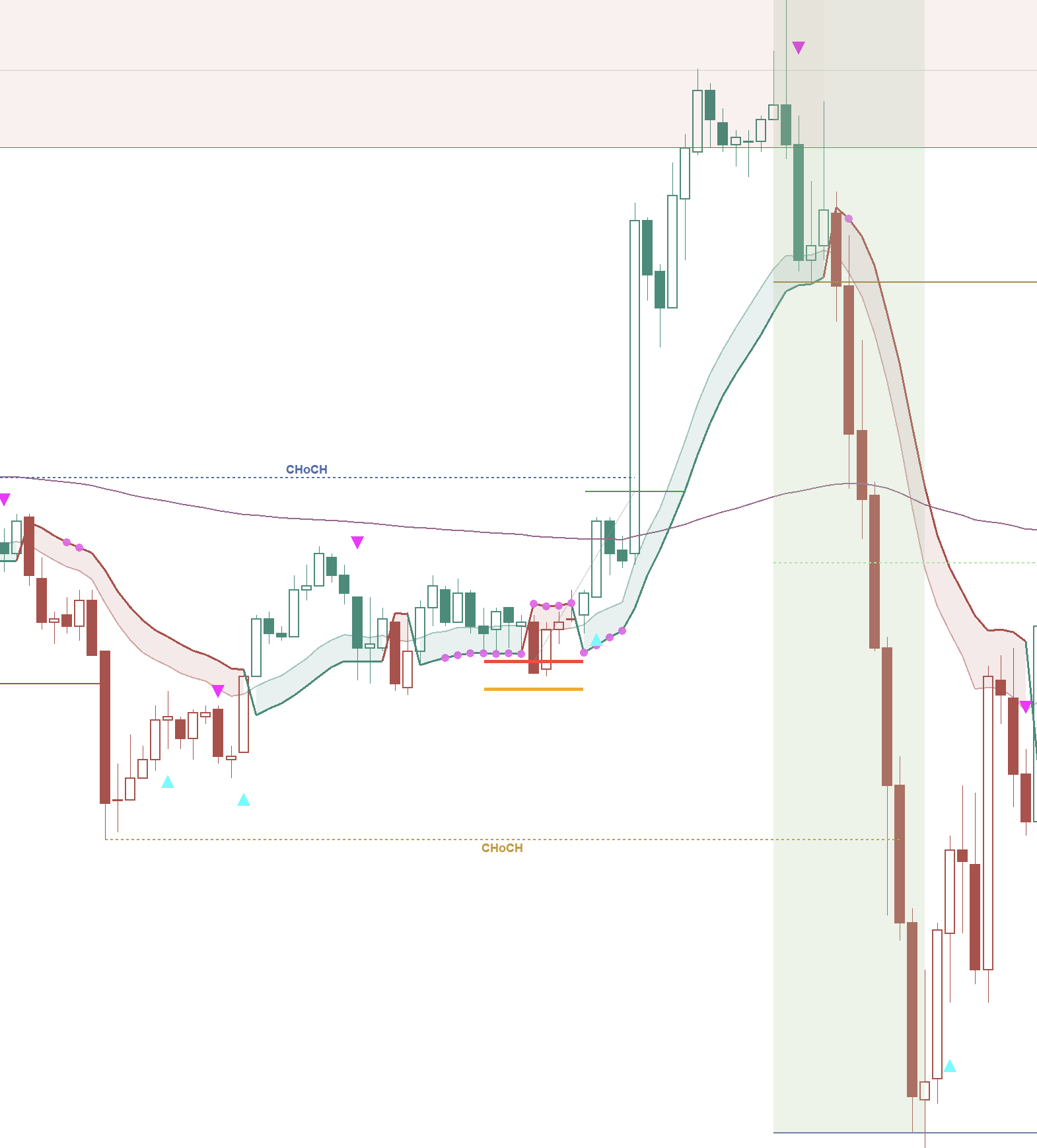
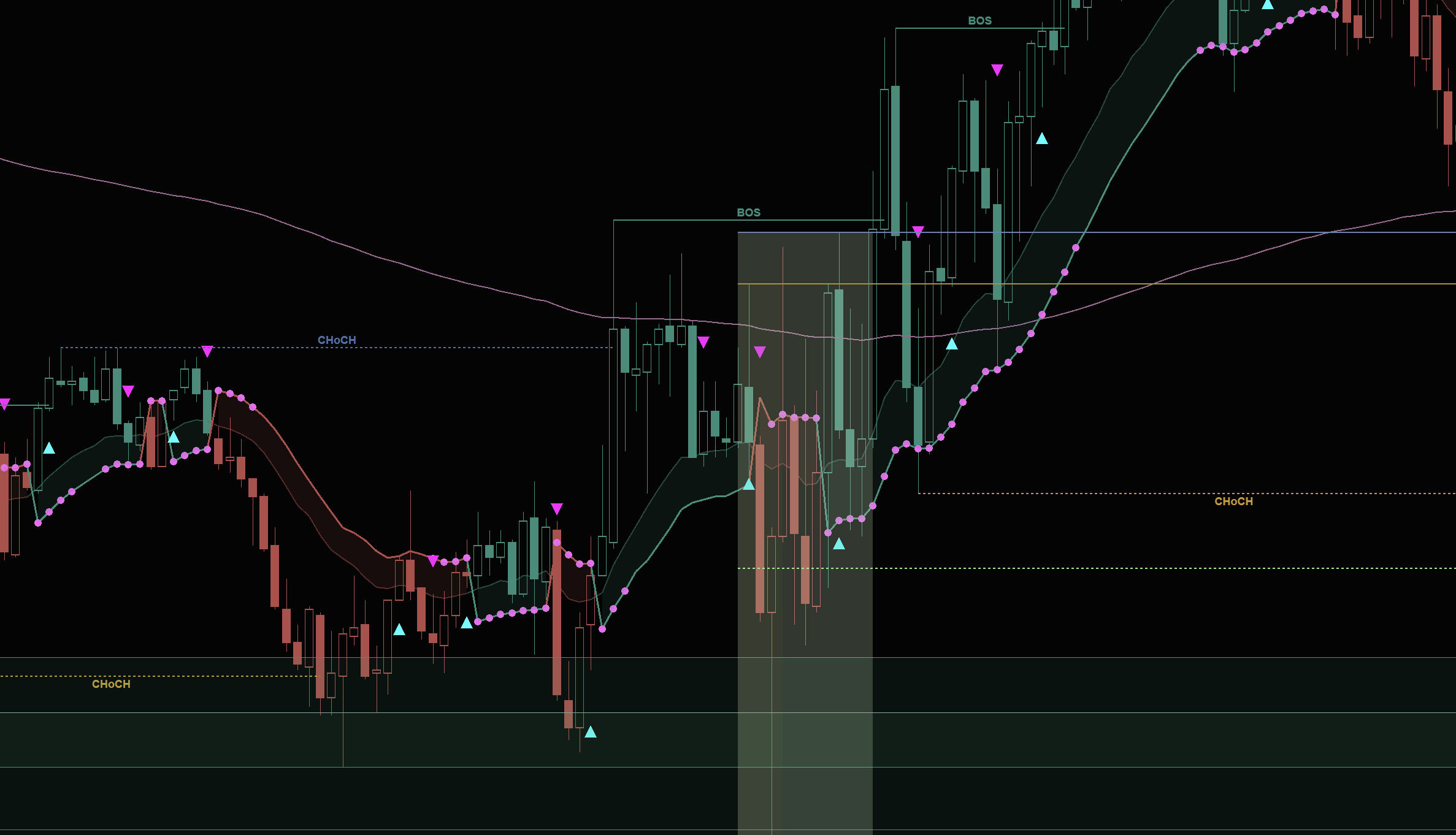
Here is a real example of how this plays out on the ESDefinitionE-mini S&P 500 futures contract. Tracks the S&P 500 index. 1 tick = $12.50, 1 point = $50. Most heavily traded index future. chart. Notice how the CHoCHDefinitionChange of Character — the first warning a trend may be ending. Price breaks a swing point against the trend. and BOSDefinitionBreak of Structure — price breaks the previous swing point in the trend direction. Confirms continuation. labels identify the structure shift, and then price trends cleanly with the SSLDefinitionSSL Channel — a trend-following overlay combining moving average crossovers with volatility bands for direction and entries. Cloud confirming direction:
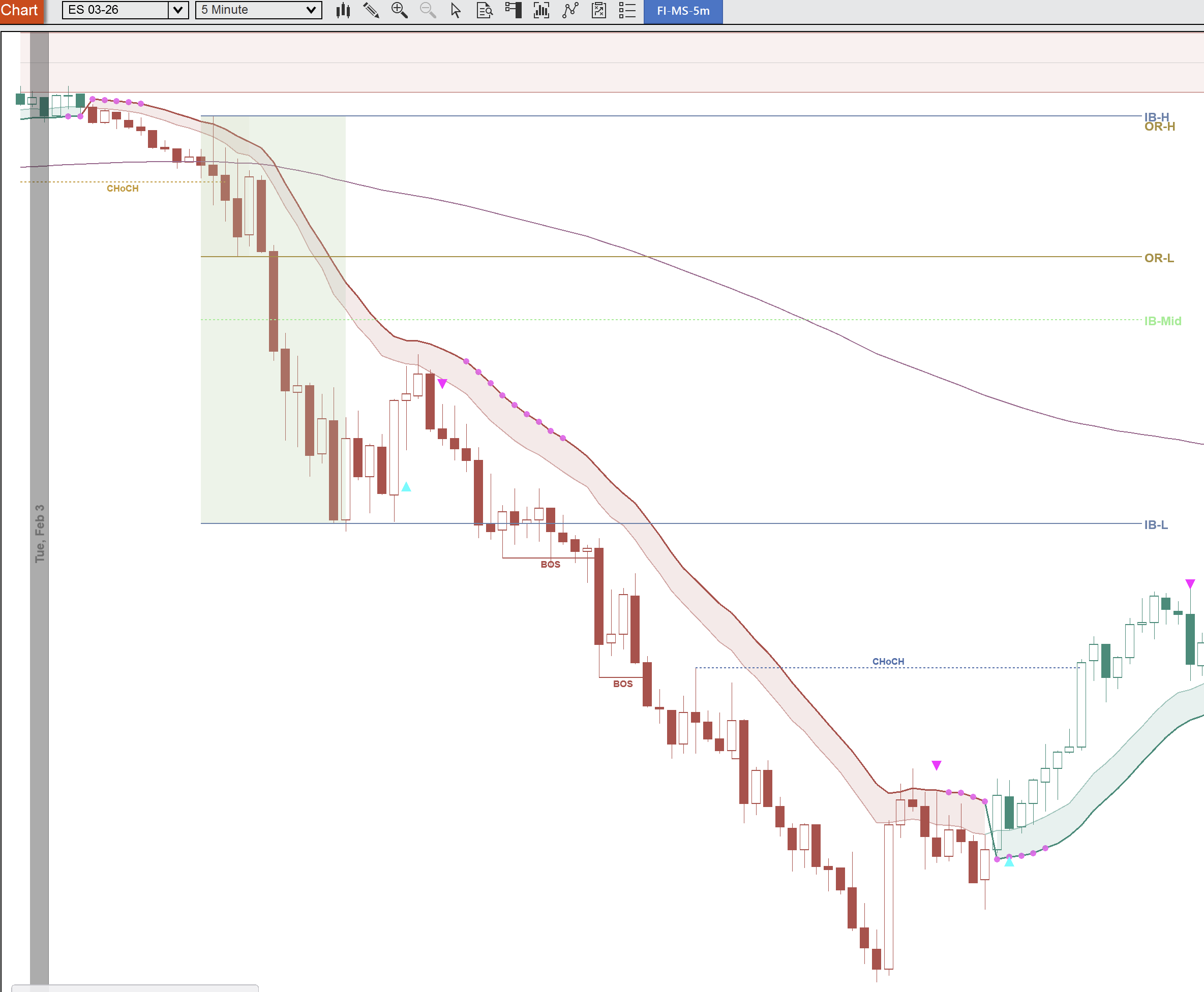
The traders who chased the initial move got stopped out on the retracement. The traders who waited for the retest caught the entire continuation move with minimal risk.
How to Break the Chasing Habit
Breaking the chasing habit requires three changes:
1. Define Your Setups Write down exactly what conditions must be met before you enter a trade. If the conditions are not met, you do not trade. Period.
2. Use Alerts Instead of Staring at Charts Set alerts at key levels and walk away. When price reaches your level, then you evaluate the setup. Staring at charts all day guarantees emotional trading.
3. Track Your Trades Log every trade and categorize it as a planned trade or a chase trade. After a month, compare the results. The data will convince you more than any article ever could.
The Bottom Line
Key Insight
Chasing moves is the fastest way to blow up a futures trading account. The math does not work, the psychology is against you, and there is a better way.
Wait for structure, wait for the retest, and enter with a plan. That is how professional traders build consistency.